Berber Art Geometric Motif 11 Review
As a designer who spends half my day staring at stitch charts and the other half worrying about whether a client’s logo will survive a wash cycle, I don’t just look for pretty pictures. I look for viability. When Berber Art Geometric Motif 11 landed on my desk, I didn’t just see an Africa-inspired pattern; I saw a potential bestseller for my small shop, provided it actually holds up in real-world application. This is not just another decorative file; it is a structured, bold statement piece that demands respect from both the digitizer and the end user.
First Impressions: The Weight of Zellige
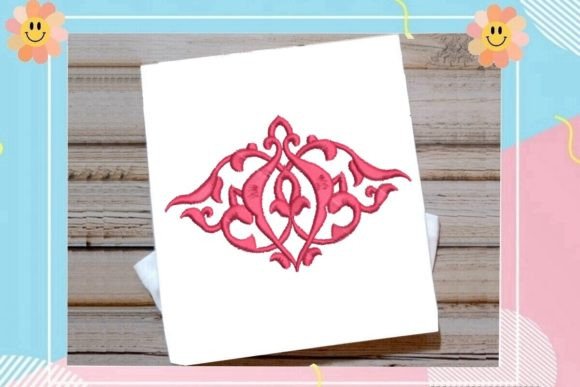
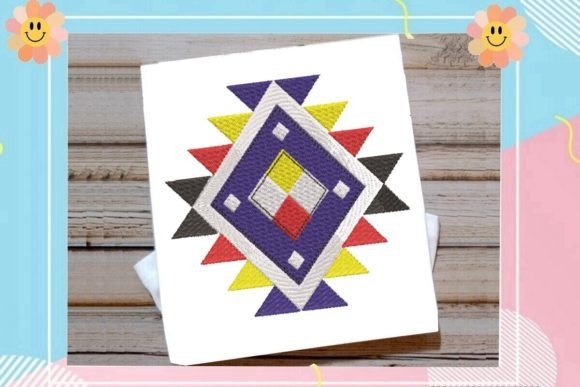
The moment you load this machine embroidery design, the visual impact is immediate. Drawing inspiration from Moroccan art known as Zellige, the design utilizes sharp geometric shapes to form intricate, interlocking patterns. It feels grounded, ancient, yet incredibly modern in its minimalism. Unlike floral designs that can feel fleeting or trendy, this motif has a timeless quality. It creates a mood of sophistication and cultural depth without being overly busy.
Visually, the layout relies on negative space as much as positive space. This is crucial for embroidery project success because it allows the eye to rest. In a sea of cluttered, dense fills on Etsy listings, this design stands out because it breathes. It suggests a high-end boutique aesthetic rather than a mass-produced craft fair item. For any Etsy seller or small business owner, this distinction is everything. You are selling a feeling of curated quality, and this file delivers that promise right out of the hoop.
Real-World Application: From Sketch to Stitch
I recently tested this concept on a heavy cotton canvas tote bag intended for a custom gift order. The goal was to create a handmade product that felt substantial enough to justify a higher price point. Here is how the design performed in practice.
The Tote Bag Scenario
When placed centrally on a natural-colored canvas, the geometric lines cut through the fabric texture beautifully. However, I had to be mindful of the thread colors. A standard black thread on dark canvas disappeared, so I opted for a cream or gold metallic thread to enhance the Zellige contrast. This choice transformed the piece from a simple logo into a personalized gift with artisanal appeal. The geometric precision held up well against the rougher weave of the canvas, proving that this embroidery file is versatile across different fabric textures.
Apparel and Sweatshirts
For sweatshirt embroidery, the design works exceptionally well as a chest-level accent or a full-back statement. Because the shapes are angular, they lend themselves to strong fill stitches that cover ground quickly. This makes it efficient for production runs. Imagine a charcoal grey hoodie with this motif stitched in white or contrasting navy. It reads as streetwear-inspired luxury. It appeals to the creative entrepreneur looking to build a cohesive brand identity around earthy, architectural themes.
Nursery and Baby Items
One unexpected but brilliant use case is for baby items. While often associated with mature decor, the simplicity of the geometry translates surprisingly well to baby embroidery. On a muslin swaddle or a neutral onesie, using soft pastels like sage green, dusty rose, or muted mustard turns this into a sophisticated nursery decor piece. It avoids the cliché of cartoon animals while still offering visual interest for parents who prefer minimalist aesthetics.
Where Caution Is Required
No design is perfect for every surface. As an experienced reviewer, I must highlight where Berber Art Geometric Motif 11 might struggle if used carelessly.
- Small Hoop Sizes: If your machine only supports tiny hoops, test this design carefully. The geometric details may become muddy if scaled down too far. The integrity of the shape depends on clear definition.
- Textured and Stretchy Fabrics: Avoid applying this to highly textured bouclé fabrics or thin, stretchy knits without proper stabilization. The rigid nature of the geometric lines can pucker if the fabric moves too much during stitching.
- Curved Surfaces: While caps are popular, placing a large geometric block on the curved front panel can distort the symmetry. It is better suited for flat surfaces like aprons, pillow covers, or the flat panels of hats.
- Dense Stitch Areas: Check the stitch density before committing to a final run. If the fill is too dense for the chosen fabric weight, you risk needle breakage or difficult hooping.
Strategic Value for Sellers
For the craft business minded reader, this design offers more than just aesthetic value; it offers marketability. The trend toward "global boho" and authentic cultural motifs is strong. By using Berber Art Geometric Motif 11, you are tapping into a narrative of craftsmanship and heritage.
This design elevates the perceived value of your finished product. A plain tote bag becomes a statement accessory. A basic kitchen towel becomes a thoughtful housewarming gift. The clean lines photograph beautifully, which is essential for creating printable mockups and digital assets for your online store. High-quality visuals drive engagement, and this design provides a clean, professional backdrop for photography.
Practical Designer Notes
Before you upload this to your production queue, follow these steps to ensure success:
- Test on Scrap Fabric: Always run a test stitch on the exact fabric you plan to sell. Colors render differently on screen versus thread.
- Check Stabilizer Compatibility: Use a cut-away stabilizer for wovens and a tear-away for stable knits to prevent distortion.
- Review Stitch Types: Inspect the balance between satin stitch borders and fill stitch areas. Ensure the transition points are smooth to avoid puckering.
- Black and White Mockup: Convert your design preview to grayscale. If the contrast doesn’t work in black and white, it won’t work in color either.
- Confirm Licensing: Verify if the license allows for commercial use of finished goods. Some digital embroidery files have restrictions on how many units you can sell.
Final Verdict
Berber Art Geometric Motif 11 is a robust, stylish, and commercially viable addition to any designer’s library. It bridges the gap between traditional artistry and modern manufacturing efficiency. Whether you are creating a one-off custom apparel piece for a friend or scaling up production for your small shop product line, this design delivers professionalism and visual punch. It is not just an Embroidery file; it is a tool for building a brand that values detail, culture, and quality. If you are looking to add a touch of North African elegance to your offerings, this is a smart, safe, and stunning choice.