Birthday Mode on Embroidery Design Review
As an embroidery designer who spends more time than I care to admit staring at digitized patterns and testing thread tensions, I approach every new digital file with a mix of excitement and skepticism. When Birthday Mode on landed in my inbox, I didn’t just see another festive graphic; I saw potential for a best-selling personalized gift item. In this review, I am putting this machine embroidery design through its paces to determine if it truly belongs in the inventory of serious handmade sellers, Etsy shops, and custom order creators.
First Impressions: Charm and Emotional Appeal
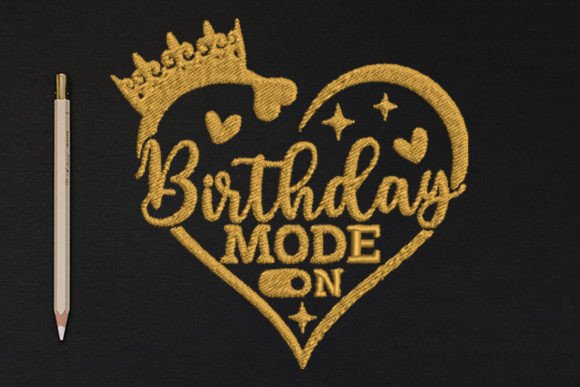
The moment I opened the embroidery file, the mood was immediately clear. This isn’t a stiff, formal design; it is whimsical, playful, and undeniably charming. For those of us creating personalized gifts, emotional resonance is everything. A customer doesn’t just buy a towel or a pillow cover; they buy the feeling of being celebrated. Birthday Mode on captures that sentiment perfectly. It feels sweet without being overly childish, making it versatile enough for toddlers, teenagers, and even adults who appreciate a touch of humor in their home decor.
The detail level strikes a balance between readability and artistic flair. It has that "handmade" quality that buyers crave on platforms like Etsy, yet it is clean enough to look professional when stitched on higher-end items like linen aprons or silk pillowcases. Whether you are targeting baby product creators looking for gender-neutral options or wedding gift designers seeking unique favors, this design bridges the gap between classic celebration and modern aesthetics.
Product Applications and Market Potential
One of the strongest aspects of Birthday Mode on is its adaptability. During my planning phase, I visualized this design across several high-demand categories:
- Kitchen Towels and Aprons: The phrase fits naturally on the corner of a flour sack towel or the bib of a baker’s apron. It adds a pop of personality to a functional item, making it an ideal impulse buy at craft fairs or as an add-on item for online stores.
- Nursery and Baby Items: For baby embroidery, this design works beautifully on muslin swaddles or hooded towels. It serves as a memorable milestone gift for first birthdays, capturing the joy of the occasion.
- Pillow Covers and Home Decor: Stitched onto neutral cotton or linen, it becomes a statement piece. It appeals to homeowners who want to infuse their space with warmth and whimsy.
- Tote Bags and Custom Orders: As a small shop product, embroidered totes are evergreen. Adding this design allows sellers to offer customized birthday greetings that feel personal and thoughtful.
By incorporating this digital embroidery file into your catalog, you can create dynamic listings that appeal to a broad audience. From Etsy sellers looking for unique keywords to brick-and-mortar boutique owners stocking seasonal inventory, the versatility here is significant.
Where Caution Is Required
While the design is lovely, no embroidery project is without its challenges. As a professional, I must advise against using this design in certain contexts where the details might get lost or the fabric structure could be compromised.
First, avoid stitching this on thick, textured fabrics like heavy terry cloth bath towels unless you have stabilized them exceptionally well. The texture can obscure the finer lines of the design, reducing its impact. Similarly, stretchy baby clothes require careful handling; if the base material is too elastic, the stitch density may cause puckering, ruining the finished look.
Another critical area is small lettering or delicate internal details. If your hoop size limits the canvas, ensure that any text within the design remains legible. Dark fabrics also pose a challenge; while bold threads stand out, subtle shading or lighter thread colors may disappear into the background. Always test contrast before committing to a bulk production run.
Fabric and Surface Limitations
Curved surfaces, such as the rounded shoulders of a onesie or the edge of a cap, can distort straight lines and curves. For these applications, consider using a printable mockup for previews rather than promising a perfect physical result until you have tested the specific garment shape. Additionally, products that undergo frequent washing, such as dish towels or play clothes, need robust stabilization to prevent the design from fraying or losing its shape over time.
Impact on Giftability and Perceived Value
In the world of handmade goods, perceived value drives sales. A well-executed custom embroidery project elevates a simple commodity into a cherished keepsake. Birthday Mode on enhances this effect by adding a narrative element. When a buyer sees a pillow cover with this design, they instantly understand the intent—it is meant to celebrate someone special.
This clarity boosts customer trust. Buyers know exactly what they are getting: a handmade product crafted with care. Furthermore, from a marketing perspective, this design is highly photogenic. High-quality images of the finished product can drive engagement on social media, showcasing the thread colors and texture in a way that static graphics cannot. It transforms a simple listing into a story about celebration and connection.
Practical Embroidery Notes for Success
To ensure your finished product meets professional standards, follow these technical guidelines during your production process:
- Test on Scrap Fabric: Never stitch directly onto your final customer item without a preliminary test. This allows you to assess how the design interacts with the specific weave and weight of your chosen material.
- Check Thread Color Contrast: Select thread colors that complement your fabric. Light threads on dark fabric require a backing stabilizer to prevent show-through, while dark threads on light fabric demand high saturation for visibility.
- Confirm Hoop Size: Ensure your machine’s hoop can accommodate the design dimensions comfortably. If the design is large, consider splitting the hoop or using an extension arm to maintain tension.
- Review Stitch Density: High-density areas can make the fabric stiff and difficult to handle. If the design feels too rigid after stitching, consider adjusting the underlay stitches or switching to a softer stabilizer.
- Use Proper Stabilizer: The choice of stabilizer (cut-away vs. tear-away) depends on the fabric. Woven fabrics often benefit from cut-away stabilizers for long-term durability, especially for items like blanket embroidery that will be washed repeatedly.
- Compare Mockups: Use both light and dark fabric mockups to visualize the final outcome. This helps in setting accurate customer expectations and refining your color palette.
- Check Small Details: After stitching, inspect the design closely. Are all loops trimmed? Are there any loose threads? A polished finish is what separates amateur work from professional commercial embroidery.
- Verify Licensing: Before selling finished products, confirm the commercial licensing terms of the digital embroidery file. Most reputable designers allow commercial use, but restrictions may apply regarding the number of units or resale platforms.
By adhering to these practices, you can leverage the charm of Birthday Mode on to create exceptional personalized gifts that resonate with customers. Whether you are designing for a baby shower, a milestone birthday, or a wedding anniversary, this design offers the whimsy and quality needed to stand out in a crowded marketplace. Take the time to test, refine, and showcase your work, and you will find that this little burst of festive energy can become a staple in your creative repertoire.