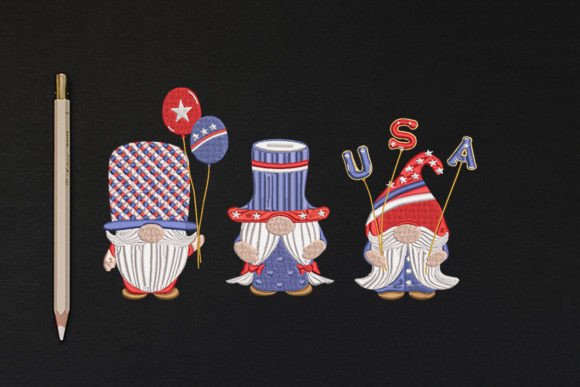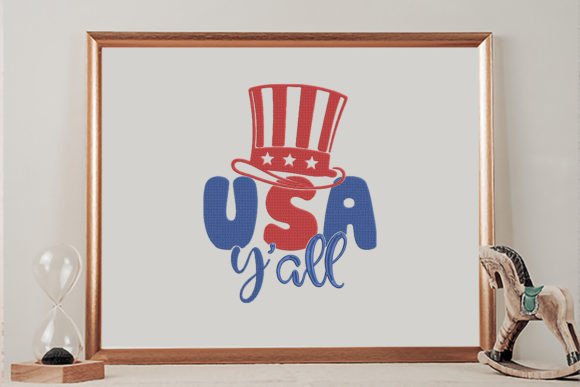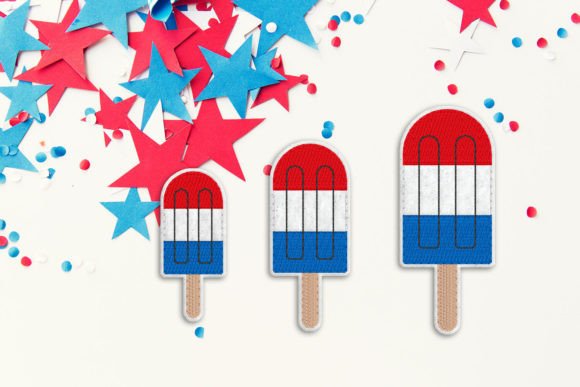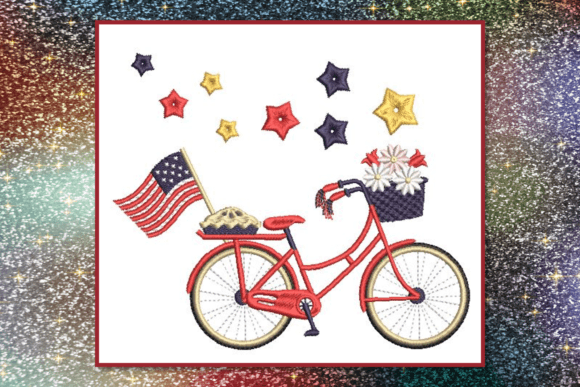
Blessed America Patriotic 4th of July Design Review
As an experienced embroidery designer who has spent years refining designs for small business merchandise and branded patches, I know that selecting the right machine embroidery design is about more than just aesthetics. It is a strategic decision that impacts production efficiency, product quality, and ultimately, brand perception. When evaluating the Blessed America, Patriotic, 4th of July embroidery file, I look at it through the lens of a commercial operator preparing for high-volume output or limited-edition drops. This review focuses on how this specific design performs in real-world scenarios for boutiques, bakeries, creative studios, and handmade brands.
First Impressions: Visual Personality and Brand Alignment
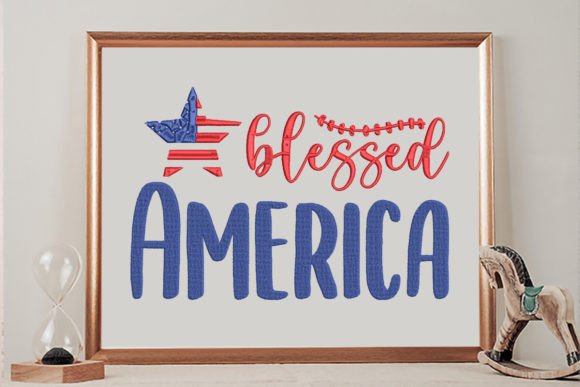
The title Blessed America, Patriotic, 4th of July immediately sets a tone of reverence mixed with celebration. From a design standpoint, the name suggests a classic, perhaps slightly rustic or vintage-inspired aesthetic rather than a hyper-modern or minimalist approach. For a small business owner looking to launch Independence Day merchandise, this design feels professional yet accessible. It strikes a balance between being bold enough to catch attention on a crowded shelf and elegant enough to maintain a sense of premium quality.
When visualizing this as part of a brand identity, the design appears versatile. It could serve as the centerpiece for a patriotic collection or act as a subtle accent on everyday items. The description hints at "endless" possibilities, which translates well for creators who need adaptable assets. Whether you are a florist adding a seasonal touch to your aprons or a pet brand launching a summer line, the design conveys a friendly, community-focused vibe that resonates with customers during the holiday season.
Real-World Business Applications
In my experience, the true test of any digital embroidery file is its performance across various product categories. Here is how I see Blessed America, Patriotic, 4th of July functioning in a commercial setting:
- Embroidered Patches: This design has strong potential as a standalone patch. Small businesses often use these to create a cohesive look across their team or to sell as collectible items. The patriotic theme makes it ideal for staff uniforms at local cafes or outdoor events.
- Chest Logos and Accents: On work shirts or polo uniforms, this design can serve as a chest logo accent. It adds a layer of personality without overwhelming the corporate branding, perfect for businesses that want to show national pride while maintaining professionalism.
- Cap Embroidery: For hat makers and merch creators, the design fits well on the front panel of caps. It is a staple item for Independence Day events, and having a dedicated cap embroidery design ensures consistency across inventory.
- Tote Bag Design: Canvas tote bags are a favorite among Etsy sellers and crafters. This design would look excellent on a sturdy canvas tote, serving as both a functional bag and a marketing tool when customers carry it around town.
- Apron Embroidery: For bakeries, coffee shops, or culinary brands, placing this design on an apron creates a warm, welcoming atmosphere. It signals to customers that the business cares about tradition and quality.
- Product Packaging Accents: Small business owners often add value by including branded tags or labels. Using this design on a hang tag or a sticker attached to a product can elevate the unboxing experience.
Strategic Considerations and Potential Pitfalls
While the design shows promise, every commercial embroidery project requires careful planning. There are specific areas where caution is necessary to ensure the finished product meets high standards.
Small Patch Sizes and Cap Fronts: If you intend to use this design on a small patch or the curved front of a cap, you must scrutinize the stitch density. Complex details in small spaces can sometimes lead to thread bunching or loss of definition. It is crucial to verify that the lettering remains legible when scaled down.
Curved Surfaces and Fabric Texture: Embroidering on curved surfaces like hats introduces tension that can distort the image. Similarly, textured fabrics may hide fine details. If you are working with heavy denim or rough canvas, the design might appear muddy if the stitch density is too high. Conversely, on delicate fabrics, high density can cause puckering.
Dark Uniforms and Color Contrast: The success of this design relies heavily on thread colors. On dark uniforms or black apparel, the contrast must be sharp. If the design includes light colors against a dark background, you will need a high-quality underlay to prevent the fabric from showing through, which can ruin the visual impact.
Frequent Washing: For items like work shirts or aprons that undergo frequent laundering, the durability of the stitches is paramount. Designs with excessive detail or long satin stitches may fray over time if not stabilized correctly.
Impact on Brand Identity and Customer Trust
A well-executed embroidered patch or custom apparel piece does more than decorate; it builds trust. When a customer sees a high-quality Blessed America, Patriotic, 4th of July design on a product, it signals that the business pays attention to detail. This level of care enhances perceived product value and fosters a connection with the buyer.
Visual consistency is key. If your brand uses this design on your website mockups, social media posts, and physical products, you reinforce brand recognition. However, if the embroidery looks cheap or distorted due to poor execution, it can damage credibility. A professional finish demonstrates that you respect your customers and take pride in your offerings.
Practical Designer Notes for Production
Before committing to a large run, follow these essential steps to ensure the best results with this embroidery design:
- Test in Black and White First: Convert the design to grayscale to check the balance of elements. This helps identify if any parts of the design are too dense or too sparse.
- Check Small Size Legibility: Run a test at the smallest intended size (e.g., a 3-inch patch) to ensure text and graphics remain clear.
- Review Thread Color Contrast: Select threads that offer maximum contrast against your target fabric color. Avoid similar shades unless a tonal effect is specifically desired.
- Inspect Spacing and Hoop Size: Ensure the design fits comfortably within your standard hoop sizes to avoid re-hooping errors. Check that there is adequate spacing between elements to prevent crowding.
- Test on Real Fabric: Do not rely solely on digital previews. Stitch the design on the actual fabric you plan to use to assess how the material reacts to the needle and thread.
- Use Proper Stabilizer: The choice of stabilizer (cut-away, tear-away, or water-soluble) is critical for preventing distortion, especially on stretchy or lightweight materials.
- Create a Mockup: Use a printable mockup to visualize the final product before cutting fabric. This is invaluable for client approval and marketing materials.
- Compare Design Assets: Place this design beside other assets in your library to ensure it aligns with your overall style guide.
- Confirm Commercial Licensing: Verify that the license terms allow for commercial use on merchandise you intend to sell. Never assume ownership rights without checking the specific terms.
By following these guidelines, you can transform the Blessed America, Patriotic, 4th of July design into a powerful tool for your business. Whether you are creating custom apparel, branded accessories, or unique gifts, taking the time to evaluate the technical aspects ensures a professional outcome that stands out in the market.