Campfire Embroidery Review: Premium Sweatshirt Design
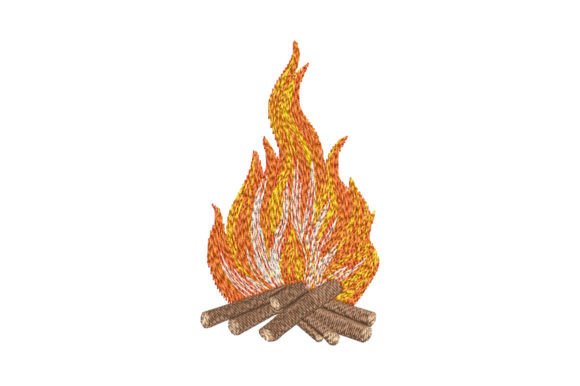
As an embroidery designer who spends hours agonizing over stitch direction and thread tension, I am always on the hunt for designs that translate beautifully from screen to fabric. Recently, I reviewed a design titled Campfire with the intention of using it for a limited drop in my boutique sweatshirt collection. The description promises a spectacular campfire where flames shimmer with shades of red, orange, yellow, and white, creating the illusion of a real fire blazing. This review breaks down how this machine embroidery design performs in a real-world commercial application.
First Impressions and Visual Impact
The moment you look at the digital preview of the Campfire design, the mood is immediately established. It is not merely a graphic; it feels alive. The use of multiple thread colors is critical here. A single-color flame often looks flat and cartoonish on heavy cotton blends. However, the gradient effect described—shifting from deep reds at the base to bright whites at the tips—suggests a high level of detail that mimics the chaotic yet structured nature of actual fire.
For a boutique brand, visual recognition is everything. This design has a bold, rustic personality that stands out without being overwhelming. It strikes a balance between playful and decorative. When placed on a neutral-colored sweatshirt, the warmth of the colors will pop against cool tones like heather grey or navy, while offering a striking contrast against earthy tones like olive or rust. The layout appears to be compact enough for a standard chest placement but detailed enough to warrant closer inspection, which encourages customer engagement and tactile interaction with the garment.
Fabric and Garment Compatibility
Sweatshirt embroidery presents unique challenges compared to t-shirts or hats. The fabric texture is thicker, and the surface is often looped or fleece-like, which can obscure fine details. Here is how the Campfire design handles these variables:
- Neutral and Dark Fabrics: On dark charcoal or black hoodies, the white highlights in the flames will serve as excellent focal points. The design’s stitch density must be sufficient to cover the dark background completely, ensuring no fabric shows through the thinner parts of the flame. If the density is too low, the "realistic" illusion breaks, and the fire looks patchy.
- Pastel Colors: Pastel pink or mint green sweatshirts offer a softer, more feminine aesthetic. In this context, the Campfire design becomes less about rugged outdoor vibes and more about cozy, whimsical comfort. The vibrant reds and oranges create a delightful complementary contrast against soft pastels, making it an excellent choice for spring or early autumn collections.
- Oversized Hoodies: For oversized streetwear styles, the scale of the design matters. A small chest logo might get lost in the volume of the garment. However, if the hoop size allows for a larger execution, the Campfire design can work beautifully as a central statement piece. Alternatively, scaling it down for a sleeve accent adds a subtle, premium touch that appeals to modern consumers looking for unique details.
Technical Execution and Production Concerns
Before committing to a production run, any serious Etsy seller or apparel decorator must evaluate the technical specifications. While the provided description highlights the visual beauty, several practical factors determine whether this embroidery file will succeed on the shop floor.
Stitch Density and Fabric Thickness
Fire is dynamic, requiring varied stitch lengths to simulate movement. High-density satin stitches are often used for outlines, while fill stitches provide the body. On a thick sweatshirt fleece, excessive density can cause puckering or make the garment stiff and uncomfortable. The designer must ensure the underlay stitches are robust enough to stabilize the fabric but not so aggressive that they distort the neckline or shoulder seams. Testing on a scrap piece of the actual garment blank is non-negotiable to check for stability.
Stabilizer Choice
To achieve a clean finish, choosing the right stabilizer is crucial. For cut-and-sew sweatshirts, a tear-away stabilizer is typically preferred for chest placements to maintain flexibility. However, if the design area is large, a cut-away may be necessary to prevent the embroidery from pulling away from the fabric during washing. Given the realistic nature of the flames, which likely involve many directional changes, a strong backing is needed to prevent thread breakage and maintain the integrity of the color transitions.
Small-Size Readability
One common pitfall in commercial embroidery is assuming a design looks good at 100% scale and will automatically work when scaled down. If you plan to offer variations, such as a smaller version for children’s sizes or a minimalist logo for the back neck, test the readability. The fine details of the white and yellow threads might merge into a muddy beige if the pixel-perfect precision of the original vector is lost during downsizing. Ensure the design assets allow for clean scaling without losing the distinct separation between the flame layers.
Marketing and Brand Value
A well-executed embroidery design does more than decorate a shirt; it builds trust and elevates perceived value. Handmade products command higher prices because customers appreciate the craftsmanship. When a buyer sees a finished product with crisp, multi-colored stitching that captures the essence of a roaring fire, they perceive higher quality than they would with a printed graphic.
For an Etsy seller or a small online shop, this design offers versatile marketing angles. You can create lifestyle product photography featuring the sweatshirt near an actual fireplace, by a lake, or during a camping trip. The thematic link between the Camping category and the design creates a cohesive story. Furthermore, including a printable mockup in your listing that showcases the thread color variations helps customers visualize the final result, reducing hesitation and increasing conversion rates.
Washing Durability and Longevity
Finally, consider the longevity of the custom apparel. Multi-thread designs can sometimes catch on Velcro or rough surfaces if the stitches are too raised. However, if properly digitized with smooth transitions and adequate trimming, the Campfire design should hold up well to machine washing. Advise your customers to wash inside-out on cold cycles to preserve the vibrancy of the red and orange threads, which can sometimes fade faster than neutrals. This attention to care instructions reinforces your brand’s professionalism and care for the customer experience.
Final Verdict
The Campfire design is a strong candidate for a premium sweatshirt collection. Its realistic color palette and dynamic composition align perfectly with current trends in cozy, rustic, and lifestyle-oriented fashion. It works effectively across various fabric colors and garment styles, from classic crewnecks to trendy oversized hoodies.
However, success depends on execution. Before adding this to your catalog, verify the following technical details directly from the provider:
- Confirm the exact hoop size required to ensure it fits your standard blanks.
- Check the file format compatibility with your embroidery machines (e.g., PES, DST, EXP).
- Review the specific license terms to ensure you have commercial embroidery rights for unlimited production.
If these technical boxes are checked, the Campfire design offers a compelling blend of artistry and functionality. It transforms a basic garment into a statement piece, appealing to crafters, creative entrepreneurs, and anyone who loves the warmth of the outdoors. For brands looking to add a touch of seasonal magic to their inventory, this is a design worth embroidering.