Decorative Border Corner: A Designer’s Review
As a designer who spends half my life staring at stitch density charts and the other half troubleshooting tension issues on vintage machines, I don’t just look for "pretty" patterns. I look for functionality. I look for designs that translate well from a digital file to a physical object that a customer will actually use and love. When Decorative Border Corner landed in my inbox, I didn’t immediately see it as a standalone centerpiece. Instead, I saw potential framing elements—accents that could elevate otherwise simple items into boutique-quality pieces.
This review isn’t about the technical specs you can find in a file folder; it’s about how this design behaves when the needle is moving, how it holds up after washing, and whether it adds enough value to justify the time it takes to hoop, stitch, and trim. Here is my practical assessment of using Decorative Border Corner in real-world projects.
First Impressions and Visual Personality
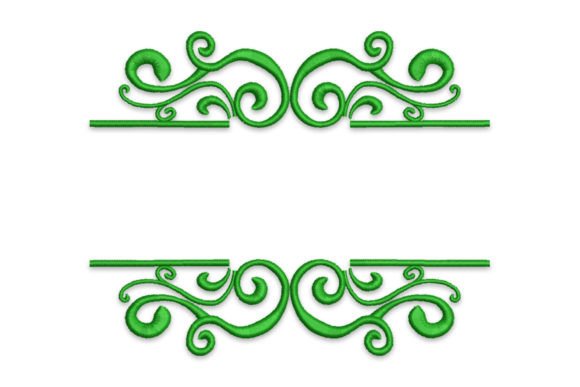
The moment you load Decorative Border Corner, the layout suggests intentionality. It doesn’t scream for attention; rather, it frames it. The whimsical charm mentioned in its description is subtle, relying on clean lines and balanced negative space rather than overwhelming clutter. For an embroidery designer, this is crucial. A design that is too busy often loses definition when stitched, especially if the fabric texture interferes with the thread.
Mood-wise, this piece feels approachable yet refined. It strikes a balance between playful and professional. This makes it incredibly versatile. You aren’t locked into a single niche like "toddler nursery decor" or "rustic farmhouse kitchen." Instead, Decorative Border Corner serves as a flexible asset that can adapt to various aesthetics depending on your thread choices and fabric selection. It has the visual weight to anchor a design without overpowering text or logos placed nearby.
Real-World Application: From Concept to Finished Product
I put Decorative Border Corner through a series of test scenarios to see where it truly shines. The goal was to determine if this machine embroidery design could stand up to the rigors of commercial production or if it was better suited for quick hobbyist gifts.
Custom Apparel and Accessories
One of the strongest use cases for this design is on custom apparel, particularly sweatshirts and tote bags. Imagine a plain canvas tote bag. By stitching Decorative Border Corner along one edge, you instantly create a branded feel. It looks less like a mass-produced item and more like a limited-run boutique product. On a sweatshirt, placing these corners near the hem or cuffs adds a touch of detail that customers appreciate because it feels personalized.
For small business owners and Etsy sellers, this versatility is gold. You can use the same embroidery file for a baby onesie, a holiday gift tag, or a wedding favor pouch. The design’s modular nature means you aren’t creating five different products from scratch; you are adapting one strong asset across multiple categories.
Home Decor and Kitchen Textiles
Tea towels and pillow covers are classic canvases for border designs. When stitched onto a linen tea towel, Decorative Border Corner adds a layer of sophistication that elevates the item from a basic kitchen tool to a decorative accent. The whimsy comes through in the delicate curves, which catch the light nicely depending on the thread sheen. However, I found that on heavily textured fabrics like thick terry cloth, some of the finer details might get lost. In those cases, simplifying the design or using a higher contrast thread color is essential.
Technical Performance and Stitch Behavior
From a technical standpoint, Decorative Border Corner demonstrates good structural integrity. The use of satin stitch for outlines provides a crisp edge, while any internal fill stitch areas appear to be optimized for smooth coverage without excessive bulk. This is vital for products that need to remain soft to the touch, such as baby clothes or lightweight scarves.
However, no design is perfect out of the box. Here is what you need to watch out for:
- Stitch Density: While generally efficient, check the density in the densest parts of the corner. If you are stitching on stretchy fabrics like jersey knits, you may need to adjust the stabilizer choice to prevent puckering. A cut-away stabilizer is usually safer for long-term durability.
- Thread Color Contrast: The design relies on clear definition. On dark fabrics, ensure you are using a high-contrast thread. On light fabrics, avoid low-contrast pastels unless the design has significant depth. Always test in black and white mockups first to verify legibility.
- Hoop Size Constraints: Ensure your hoop size accommodates the full corner without forcing you to re-hoop awkwardly. Re-hooping can misalign the design, ruining the symmetry that makes borders so appealing.
Where to Use Carefully
While Decorative Border Corner is adaptable, there are specific scenarios where caution is advised. Avoid using this design on highly curved surfaces like baseball caps unless you have specialized cap hoops and experience. The flat geometry of a corner design can distort if forced onto a 3D curve without proper padding.
Similarly, be cautious with thin or delicate fabrics. If the fabric is too sheer, the underlying stabilizer might show through, or the fabric itself might tear under the stress of the stitching. For these materials, a lighter touch or a reduced scale version of the design would be more appropriate.
Also, consider the end-use of the product. If you are making an embroidered patch or a frequently washed item like a dishcloth, ensure the design does not have loose loops that could snag. Decorative Border Corner appears to be relatively secure, but always inspect the final stitch-out for any areas that might require additional trimming or securing.
Impact on Brand and Customer Perception
In the world of handmade products and craft business items, presentation is everything. A well-executed border design signals professionalism. It tells the buyer that you care about the details. When a customer receives a package containing a pillow with neatly stitched Decorative Border Corner accents, their perception of the product’s value increases. It looks intentional and polished.
For Etsy sellers and digital product sellers, this design also offers marketing opportunities. High-quality printable mockups featuring this border can showcase the design’s versatility before the customer even buys the digital embroidery file. It helps visualize the finished product, reducing hesitation and increasing conversion rates.
Final Verdict and Practical Notes
Decorative Border Corner is a solid addition to any embroidery library. It is not a flashy, trend-chasing design that will look outdated in six months. Instead, it is a timeless, functional asset that enhances a wide variety of projects. Its ability to add whimsy and charm without overwhelming the base fabric makes it suitable for everything from personalized gifts to commercial embroidery runs.
Before incorporating this into your workflow, remember to:
- Test on Scrap Fabric: Never assume a design will stitch perfectly on your final material. Test it first to check tension and stability.
- Review Licensing: Confirm whether the license allows for commercial use of finished goods. This is critical for small shop products and apparel decorators.
- Optimize Thread Choices: Experiment with different thread colors to see how they interact with the design’s mood. Metallic threads might add luxury, while cotton threads offer a rustic feel.
- Check File Formats: Ensure the embroidery file is compatible with your machine and software.
Ultimately, Decorative Border Corner earns its place in my studio. It is reliable, attractive, and versatile. Whether you are creating a unique handmade product for a craft fair or scaling up production for an online store, this design provides the visual polish needed to succeed.