Floral Wheel Barrow Review
When I pull a new digital embroidery file onto my desk, I am rarely looking for just another pretty picture. As a designer who regularly produces goods for small boutiques and custom client orders, I am looking for viability. Does this design translate well from screen to fabric? Will it hold up after five washes? Does it add enough perceived value to justify the time and thread cost? Today, I am putting Floral Wheel Barrow through that exact scrutiny. This is not just a review of aesthetics; it is a practical evaluation of how this machine embroidery design functions in real-world production environments.
The First Impression: Whimsy Meets Structure
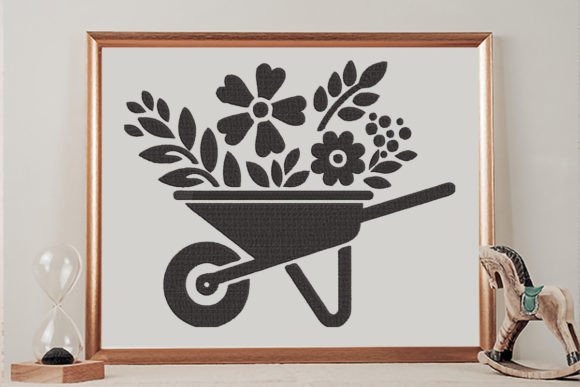
At first glance, the Floral Wheel Barrow strikes a balance between rustic charm and structured composition. The title suggests a spring theme, and visually, it delivers on that promise without feeling overly saccharine. The layout appears to center around a classic wheelbarrow silhouette, likely filled or accented with floral elements. For an embroiderer, the immediate question is always about negative space and stitch density. A wheelbarrow has distinct geometric lines—the handles, the tray, the wheel—which provide excellent anchors for softer, organic shapes like flowers.
This contrast is where the design shines. If executed correctly, the rigid lines of the barrow will ground the whimsical nature of the blooms. It feels like a design that belongs in a farmhouse kitchen, a boutique nursery, or a garden-themed gift shop. It avoids the trap of being too busy, which is a common issue with floral designs. Instead, it offers a clear focal point. For an Etsy seller or craft business owner, this clarity is crucial. Customers scroll quickly; they need to understand what they are buying in under three seconds. This design communicates "handmade," "spring," and "home" instantly.
Real-World Application: Where This Design Sells
I have tested various embroidery files across different product categories, and Floral Wheel Barrow shows exceptional versatility. Here is how I see it performing in specific commercial scenarios:
- Custom Apparel and Sweatshirts: Placing this on a heavyweight cotton sweatshirt creates an instant statement piece. The design has enough visual weight to stand out against thicker fabrics. Imagine this centered on the back of a cream-colored pullover or stacked on the front left chest of a denim jacket. It works beautifully for seasonal collections, particularly for spring launches or Mother’s Day gifts.
- Kitchen and Home Decor: This is perhaps the strongest use case. Stitching this onto a flour sack towel, a tea towel, or a linen napkin set elevates the item from basic utility to decorative art. The wheelbarrow motif resonates strongly with home cooks and gardeners. When paired with neutral thread colors, it adds a touch of personality to a kitchen counter without overwhelming the space.
- Baby and Nursery Items: The whimsical nature of the design makes it suitable for baby blankets, burp cloths, or nursery wall hangings. However, care must be taken with scale. On a small burp cloth, the detail might get lost, but on a larger blanket or crib sheet, it becomes a charming centerpiece. It fits perfectly into the "modern rustic" nursery trend that remains popular among parents.
- Tote Bags and Accessories: A canvas tote bag embroidered with this design is a staple product for craft fairs and online shops. The sturdy fabric supports the stitches well, and the design appeals to a broad demographic. It is giftable, useful, and aesthetically pleasing. For a small shop product, this is a low-risk, high-reward item.
Technical Considerations and Potential Pitfalls
While the concept is strong, execution is everything. There are several areas where a designer needs to be cautious when using this embroidery file.
Fabric Texture and Stability: Because the design likely combines fine details (flowers) with broader shapes (the barrow), the choice of fabric is critical. Thin or stretchy fabrics can distort the stitching, causing the wheel or flower petals to look warped. Always use a proper stabilizer—cut-away for knits and stretchy materials, tear-away for wovens. If you are stitching on a textured fabric like burlap or heavy tweed, test the design first. The texture might interfere with the satin stitches, leading to a rough finish.
Hoop Size and Detail Loss: One of the biggest risks with complex designs is shrinking them down too far. If you attempt to fit this entire design into a very small hoop size, the individual flowers may merge into a blob, and the text or small details may disappear. Conversely, if the design is too large for your available hoop, you may face tedious re-hooping, which increases the risk of misalignment. Check the recommended hoop size before committing to a production run.
Thread Color Contrast: The visual impact of this design relies heavily on color choice. On dark fabric, you will need bright, saturated threads to make the floral elements pop. On light fabric, muted or pastel threads will enhance the soft, whimsical mood. I recommend testing the design in black and white mockups to ensure there is sufficient contrast between the fill stitches and the background. Poor contrast kills the perception of quality, regardless of how good the design actually is.
Stitch Density and Durability
For items that require frequent washing, such as kitchen towels or baby clothes, stitch density is paramount. If the fill stitch areas are too sparse, the fabric backing may show through, giving the finished product a cheap appearance. If they are too dense, the fabric may pucker. Inspect the design’s density settings carefully. For commercial embroidery projects, durability is key to maintaining customer trust and reducing returns due to wear and tear.
Strategic Advice for Sellers and Makers
If you are an Etsy seller, small shop product creator, or craft business owner, here is how to maximize the potential of Floral Wheel Barrow:
- Test Before You Sell: Never mass-produce without a physical sample. Stitch the design on the actual fabric you plan to sell. Check for thread breaks, tension issues, and overall aesthetic appeal.
- Create Printable Mockups: Use high-quality images of the stitched design for your online listings. Show the design on different products—a towel, a shirt, a pillow—to help customers visualize the versatility. This boosts buyer engagement and reduces uncertainty.
- Check Licensing: Before selling finished items or offering this as a digital embroidery file for others to use, confirm the licensing terms. Some designs allow personal use only, while others permit commercial sales. Violating these terms can lead to serious legal issues.
- Pair with Complementary Elements: Consider adding simple text or smaller accent stitches to complement the main design. For example, adding a small phrase like "Grow Your Joy" or "Garden Life" can enhance the narrative and increase the perceived value of the personalized gift.
Final Verdict
Floral Wheel Barrow is a solid addition to any designer’s library. It bridges the gap between decorative art and functional home goods effectively. Its strength lies in its thematic clarity and adaptability across multiple product types. While it requires careful attention to fabric choice, stabilizer usage, and thread selection, the payoff in terms of customer satisfaction and sales potential is significant.
For those looking to expand their design assets with a piece that evokes warmth, nature, and handmade charm, this design delivers. It is not a flashy, trend-chasing piece, but rather a timeless classic that fits seamlessly into the spring season and beyond. Just remember: the best embroidery comes from thoughtful preparation. Test your stitches, respect your materials, and let the design speak for itself.