Progress Pride Flag ITH Feltie Applique Review
When you are looking at a new embroidery file to add to your digital library or to use for an upcoming client project, you aren’t just looking at code. You are looking at a finished product in waiting. As a designer who spends hours evaluating how stitches translate into tangible goods, I look for designs that balance aesthetic appeal with technical reliability. Recently, I put the Progress Pride Flag ITH Feltie Applique through its paces to see if it holds up in real-world scenarios, from custom apparel to small business merchandise.
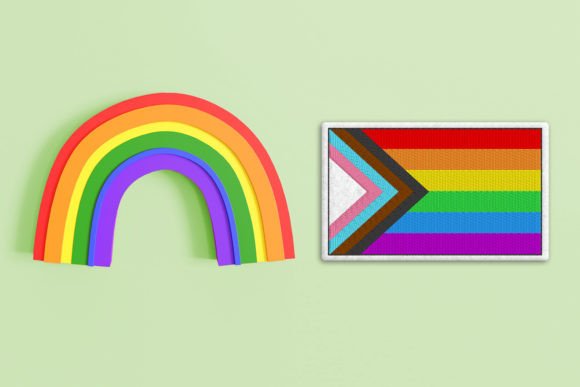
The premise is simple but powerful: an in-the-hoop (ITH) feltie featuring the Progress pride flag. This design incorporates six horizontal rainbow stripes and four chevron stripes, intended to be stitched onto white felt, vinyl, or other suitable substrates. It falls squarely under the Awareness category of Embroidery, making it highly relevant for crafters, Etsy sellers, and boutique owners who want to offer meaningful, personalized gifts.
First Impressions and Visual Personality
The first thing that strikes you about this machine embroidery design is its clean, graphic quality. The Progress flag itself carries significant weight; it is not just a pattern but a symbol of inclusion and diversity. By translating this into an applique format, the design avoids the potential muddiness that can occur when trying to stitch thin lines on fabric directly. Instead, the felt base provides a solid, opaque canvas that makes the colors pop.
Visually, the mood is celebratory yet structured. The horizontal stripes provide a sense of stability, while the diagonal chevron adds dynamic movement. For a handmade product, this combination feels professional and polished. It doesn’t look like a quick stitch-out; it looks like a deliberate design choice. When I imagine this as part of a larger collection, it fits naturally alongside other pride-themed items, but it stands strong enough to be a hero piece on its own.
Real-World Application: From Design to Finished Product
Let’s talk about where this design actually shines. In my experience, the biggest challenge for small shop owners is creating products that feel unique but are easy to produce. An ITH feltie solves a lot of production headaches because the shape is self-contained. Once the machine finishes, you have a distinct, usable component.
I tested this concept mentally against several common product categories:
- Tote Bags: A classic application. Attaching this feltie to a canvas tote creates an immediate statement piece. The flat surface of a tote bag allows the full design to be seen without distortion.
- Sweatshirts and Hoodies: This is perhaps the most popular use case for sweatshirt embroidery. The softness of the felt contrasts nicely with the texture of fleece or cotton blends. It works well as a chest logo or a centered back design.
- Baby Items: For baby embroidery, the gentle curves and bright colors are appealing. However, safety and durability become paramount here, which leads us to our next point about material choices.
- Aprons and Kitchen Towels: These items benefit from the durability of felt. Unlike direct stitching, which can wear down with frequent washing, a well-appliqued felt patch holds up remarkably well.
For an Etsy seller or someone running a craft business, this design offers high perceived value. Customers love personalization, and the ability to customize the background color of the felt (even though the design specifies white) or pair it with specific thread colors can drive sales. It also serves as excellent design assets for those selling digital mockups, allowing buyers to visualize the final result before purchasing.
Technical Performance and Stitch Clarity
From a technical standpoint, the success of any applique design lies in the execution of the satin stitches and fill areas. The Progress flag relies heavily on color blocking. If the stitch density is too low, the fabric might show through. If it is too high, the felt can become stiff and uncomfortable, especially on garments like hats or baby clothes.
While exact stitch counts vary by digitizing software, the general rule for this type of design is to ensure the satin edges are tight enough to cover the raw edge of the felt but not so dense that they cause puckering. The chevron section is particularly tricky because it changes direction. A good digitizer will adjust the angle of the satin stitches to follow the flow of the chevron, preventing gaps or uneven coverage.
One critical aspect of this design is the contrast. Since it is meant for white felt, the thread colors must be vibrant. Using muted or pastel threads might dull the impact of the flag. For maximum visual appeal, stick to high-saturation threads that match the standard Progress flag palette. This ensures the finished product looks crisp and recognizable, which builds customer trust in your brand.
Where to Use It Carefully
Not every surface is created equal. While this design is versatile, there are places where it should be used with caution:
- Small Hoop Sizes: If you attempt to stitch this in a very small hoop, the details may become lost. Ensure your hooping area accommodates the full width and height of the design without cutting off the chevrons.
- Textured Fabrics: Avoid placing this on heavy waffle knits or boucle fabrics. The irregular surface can prevent the felt from lying flat, leading to uneven stitching and a sloppy appearance.
- Stretchy Fabrics: While felt has some give, the underlying garment fabric does not. On stretchy materials like jersey knit, you must use a strong stabilizer to prevent the design from distorting during wear and washing.
- Dense Stitch Areas: Be mindful of the overlap between the satin borders and the fill stitches. Too much layering can create bulk, which is uncomfortable against the skin, especially on items like caps or baby onesies.
Practical Designer Notes for Production
If you are planning to use this digital embroidery file for commercial purposes, there are a few steps I recommend taking before you start mass-producing.
First, always test on scrap fabric. Even if you know the specs, different machines handle tension differently. Check the thread colors against your actual inventory. Sometimes what looks pink on screen is slightly orange in thread form. Verify that the contrast is sufficient for your target audience.
Second, inspect the small details. Zoom in on the digitized file if possible, or check the stitch-out closely for any missed jumps or loose threads. The integrity of the applique design depends on these small touches. A single loose thread can make a premium-looking item feel cheap.
Third, consider the stabilizer choice. For felties, a cut-away stabilizer is often best, especially if the final product will be washed frequently. Tear-away stabilizers might work for one-time use items like holiday decorations, but for a personalized gift that will last years, cut-away provides better support.
Finally, confirm licensing. If you are selling finished items, ensure you have the right to do so. Many commercial embroidery licenses allow for a certain number of sales, but restrictions may apply. Always read the fine print to protect your small shop product business.
Conclusion
The Progress Pride Flag ITH Feltie Applique is a thoughtful, visually striking addition to any embroiderer’s toolkit. It bridges the gap between political awareness and everyday fashion, offering a way to express identity through craft. Whether you are making a custom apparel order for a client, stocking your booth at a craft fair, or creating a holiday embroidery gift, this design delivers on both aesthetic and functional levels.
It encourages creativity, supports meaningful storytelling, and, when executed correctly, results in a high-quality handmade product that customers will cherish. Just remember to respect the technical nuances—hoop size, fabric choice, and stitch quality—and this design will serve you well in your embroidery project endeavors.