Chili Pepper Applique Review
As an experienced embroidery designer, I spend my days evaluating how digital files translate into tangible products. When a client asks if a specific design will hold up on a custom apparel line or look premium on a branded patch, they aren’t just looking for pretty stitches; they are looking for commercial viability. Today, I am reviewing the Chili Pepper Applique, a design marketed as "muy caliente" and perfect for Cinco de Mayo or spicy food enthusiasts. But does it have the staying power to be a staple in your small business merch inventory? Let’s break down its potential from a professional production standpoint.
First Impressions: Personality and Visual Impact
The title alone sets a playful, energetic tone. For brands in the culinary space—think local hot sauce companies, spice blends, or festive restaurants—this design immediately communicates fun and flavor. From a visual perspective, a chili pepper is a bold, organic shape that lends itself well to high-contrast stitching. It feels rustic yet modern, striking a balance between a handmade aesthetic and a clean, graphic logo mark.
However, "applique" in the title suggests a specific construction method. In machine embroidery, applique often involves cutting fabric shapes and stitching them down, which adds texture and dimension. If this design utilizes true applique techniques, it elevates the product value significantly compared to standard satin stitch designs. It suggests a premium, tactile experience that customers appreciate when they touch the garment or bag. The color palette implied by "chili pepper"—likely vibrant reds, greens, and perhaps yellow highlights—creates an immediate appetite appeal, making it highly effective for brand identity in the food and beverage sector.
Real-World Business Applications
Where does Chili Pepper Applique shine in a retail environment? Its versatility makes it a strong candidate for several key merchandise categories:
- Embroidered Patches: This is perhaps the strongest use case. A chili pepper motif works beautifully as a morale patch on denim jackets, backpacks, or tool bags. It signals a personality trait—boldness, heat, passion—that resonates with hobbyists and professionals alike.
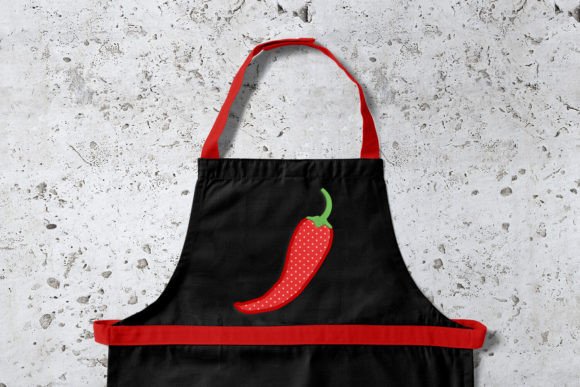
- Apron Embroidery: For bakeries, cafes, and home cooks, an apron is a walking billboard. Placing this design on the chest pocket or lower hem of a white or black apron creates a striking focal point. It reinforces the theme of fresh, spicy, or homemade food without being overly literal.
- Cap Embroidery: A single chili pepper centered on a dad hat or structured cap is a trendy, understated logo placement. It appeals to the streetwear market while remaining relevant to foodie culture.
- Tote Bag Design: Canvas totes are ubiquitous for farmers' markets and boutique shopping. A large-scale version of this design can serve as the primary graphic, turning a simple bag into a statement piece that promotes the brand every time it is carried.
- Staff Uniforms: For restaurant chains or food trucks, consistent branding is crucial. This design offers a friendly, approachable face for staff uniforms, helping to humanize the brand and make employees feel part of a cohesive, spirited team.
Critical Considerations for Production
While the concept is strong, not all machine embroidery designs perform equally across different substrates. As a designer, I urge you to test Chili Pepper Applique carefully before committing to bulk production.
Size and Detail: Chili peppers have curved edges and potentially small details like stems or seeds. If you plan to produce tiny patches (under 2 inches), ensure the stitch density is appropriate. Too much detail in a small area can lead to puckering or loss of definition. Conversely, if the design relies on fine lines, it may disappear on thick fabrics like heavy denim or fleece.
Fabric Texture and Color: The success of this design hinges on thread color contrast. On dark uniforms or dark-colored tote bags, you must ensure the chosen thread colors pop. A light red on black might look muddy; a bright neon or white outline might be necessary. Always inspect the spacing between elements. If the design includes text alongside the pepper, verify that the lettering remains legible at your intended output size.
Hoop Size and Stabilizer: Confirm the recommended hoop size for the file. If the design is larger than standard hoops, you may need to reposition or split the design, which can introduce visible seams. Furthermore, always use a proper stabilizer. Applique designs, in particular, require sturdy backing to prevent the fabric cutouts from shifting during the stitching process. Testing on your actual production fabric is non-negotiable to check for shrinkage or distortion.
Impact on Brand Identity and Customer Trust
In the world of handmade products and Etsy selling, quality perception drives sales. A well-executed embroidery job signals attention to detail. When a customer sees a crisp, cleanly stitched Chili Pepper Applique on a product, it subconsciously tells them that the business cares about quality. This builds customer trust and enhances perceived value.
Moreover, thematic consistency matters. If your brand voice is playful, warm, and community-focused, this design aligns perfectly. It avoids the coldness of corporate vector graphics and brings a human, artisanal touch. This emotional connection can boost buyer engagement, especially during seasonal events like Cinco de Mayo or summer BBQ seasons. However, avoid overusing it if your brand is strictly minimalist or high-end luxury, as the casual nature of the subject matter might clash with a sleek, monochromatic aesthetic.
Practical Designer Notes for Success
To maximize the return on investment for this digital embroidery file, follow these practical steps:
- Test in Black and White: Before selecting vibrant threads, view the design in grayscale. This helps you evaluate the balance of negative space and solid areas. If the design looks cluttered in black and white, it will likely look chaotic in color.
- Create a Printable Mockup: Use software to place the design on images of your actual products (aprons, hats, etc.). This allows you to assess scale and placement relative to other design assets without wasting material.
- Check Commercial Licensing: Ensure you have the right to sell physical goods made with this design. Some embroidery files are for personal use only. Verify terms before listing items on Etsy or your own website.
- Thread Contrast Check: Physically lay out your thread spools against your fabric swatches. Digital screens can misrepresent color saturation. Real-world lighting conditions will dictate whether the "fiery" look comes through effectively.
- Inspect Spacing: Zoom in on the digitizing. Are there any overlapping stitches that could cause needle breaks? Is the underlay sufficient to hold the fabric flat?
In conclusion, Chili Pepper Applique is a versatile, character-rich design that fits seamlessly into the commercial embroidery landscape for food-related businesses and lifestyle brands. By paying close attention to production details—from stabilizer choice to thread selection—you can transform this digital asset into a profitable, high-quality physical product that strengthens your brand's visual identity and connects with customers on a sensory level.