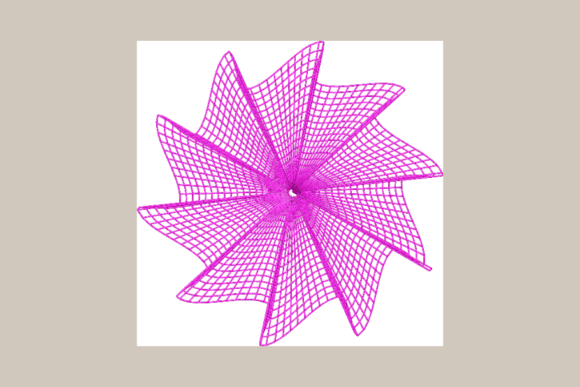
Mandala Net Ripple Review for Real Projects
As an embroidery designer who spends hours testing new files before putting them on a customer's order, I recently came across the Mandala Net Ripple on Creative Fabrica. The product page describes it as an intricate and captivating fall-season design that embodies elegance and sophistication. With its symmetrical patterns and fine details, this design exudes a sense of refined beauty. But does it hold up when moved from a digital screen to a real hoop? After considering it for several commercial projects, including tote bags, aprons, and nursery decor, here is my honest review of how this embroidery file performs in the wild.
First Impressions: Visual Mood and Design Personality
The moment you open the design preview, the Mandala Net Ripple stands out because of its geometric harmony. Unlike many mandala designs that can feel cluttered or overwhelming, this one balances complexity with negative space beautifully. The "ripple" effect creates a sense of movement that draws the eye inward, making it perfect for centering on garments or home goods. It feels like a sophisticated choice for the fall season, offering a texture that mimics woven fabric without actually being heavy.
For those of us selling handmade products, visual appeal is everything. This design naturally fits into categories like boutique merchandise, seasonal gifts, and personalized items. The symmetry suggests stability and calm, which translates well into baby blankets and nursery decor where parents often look for soothing aesthetics. However, the intricate nature of the net ripple pattern means it demands attention during the digitizing phase. It is not a simple logo; it is a statement piece that requires careful placement to ensure the details do not get lost on larger surfaces.
Real-World Application: From Tote Bags to Caps
I evaluated the Mandala Net Ripple with specific use cases in mind. Could it work on a sturdy canvas tote bag? Yes, the dense fill areas would provide excellent coverage on thick fabrics. Would it translate well to a sweatshirt embroidery project? Absolutely, provided the fabric has enough weight to support the stitch density without puckering. The design also shines as a decorative element on kitchen towels or pillow covers, adding a touch of artisanal quality that elevates the finished product.
- Tote Bag Design: The symmetrical layout works perfectly centered on a large tote, creating a balanced look that appeals to shoppers looking for functional yet stylish accessories.
- Sweatshirt Embroidery: On fleece or cotton blends, the ripple effect adds depth without making the garment feel stiff, assuming proper stabilizer is used.
- Embroidered Patch: The clean lines make it a strong candidate for a cut-out patch, though the small details need to be verified against the minimum size requirements.
- Commercial Embroidery: For custom apparel decorators, this design offers a high-value look that justifies a higher price point for personalized gifts.
The versatility extends to digital product sellers as well. You could create printable mockups featuring the Mandala Net Ripple on various backgrounds to showcase potential buyers how the design looks on different materials. Whether you are listing on Etsy or running a craft fair booth, having a design that photographs well is crucial, and the contrast inherent in this pattern helps it pop in images.
Practical Considerations for Stitching Success
While the design is beautiful, practical execution is where many embroidery projects succeed or fail. When working with intricate shapes like the Mandala Net Ripple, you must pay close attention to stitch density and hoop size. If the design includes very small details or tiny lettering (if any), these areas might struggle on stretchy fabrics or curved cap surfaces. The fine lines of the ripple could merge together if the thread count is too low or the fabric is too unstable.
For dark fabric projects, thread color selection becomes critical. A light-colored satin stitch might not show up clearly against black denim, whereas a metallic or contrasting thread could make the ripple effect sing. Always test on scrap fabric first to check thread color contrast and see how the stitches lay. If the design is intended for a baby blanket or an item that needs frequent washing, ensure the stitch density is robust enough to withstand agitation without losing definition.
Textured fabrics present another challenge. While the design looks great on smooth cotton, it may behave differently on linen or boucle. Using the proper stabilizer is non-negotiable here. A tear-away might not be sufficient for a dense mandala on a lightweight shirt; a cut-away or heavyweight stabilizer might be needed to prevent the fabric from distorting under the tension of the machine.
Impact on Product Value and Brand Consistency
In the world of handmade goods, the quality of your embroidery directly influences buyer trust. A sloppy stitch job can ruin the perception of a brand, while a crisp, well-executed design builds confidence. The Mandala Net Ripple has the potential to significantly boost product value because of its perceived effort and complexity. Customers are willing to pay more for items that look professionally crafted and visually engaging.
When used consistently across a line of products—such as matching sets of kitchen towels, aprons, and tote bags—it reinforces brand identity. The design acts as a signature element that customers can recognize. Furthermore, the elegant nature of the pattern makes it highly giftable, expanding your market beyond just personal use to include holiday shopping and special occasions. For creative entrepreneurs, investing time in mastering the setup for this design can lead to better engagement and repeat sales.
Essential Pre-Production Checklist
Before you commit to a full production run, there are specific steps every designer should take to ensure success. First, confirm the file details and licensing on the Creative Fabrica product page. Understanding the terms of use is vital, especially if you plan to sell finished items commercially. Some licenses allow for unlimited end-products, while others have restrictions.
- Test on Scrap Fabric: Run the design on a piece of the same material you intend to use for the final product. Check for puckering, thread breaks, or detail loss.
- Review Stitch Density: Inspect the design settings. If the density seems too high for the fabric type, consider adjusting the parameters if your software allows, or switch to a lighter stabilizer.
- Confirm Hoop Size: Ensure your hoop accommodates the design dimensions comfortably. If the design is large, you may need to split it or use a larger frame.
- Inspect Small Details: Zoom in on the digital preview and then examine the stitched sample closely. Are the tiny points sharp? Do the ripples connect smoothly?
- Compare Mockups: Create both light and dark fabric mockups to visualize the final look. This helps in selecting the right thread colors and setting customer expectations.
- Check Thread Colors: Choose threads that offer the best contrast and durability. Metallic threads can add flair but require slower speeds and careful tension settings.
The Mandala Net Ripple is a compelling addition to any library of design assets. It offers a blend of modern geometry and classic elegance that fits seamlessly into fall collections. By approaching it with a methodical workflow and respecting the technical requirements of machine embroidery, you can transform this digital file into a stunning finished product that delights customers and strengthens your business.