Oma Embroidery Design Review: Whimsy for Real Projects
As an embroidery designer who spends hours evaluating digital assets before adding them to my own commercial collections, I approach every new download with a mix of curiosity and skepticism. The market is saturated, but finding a design that balances aesthetic charm with technical viability is rare. Recently, I examined Oma, a machine embroidery design available on Creative Fabrica, specifically considering its potential for Mother’s Day collections and everyday handmade goods. This review breaks down how this design performs in real-world applications, from initial visual impact to the final stitched product.
First Impressions and Visual Mood
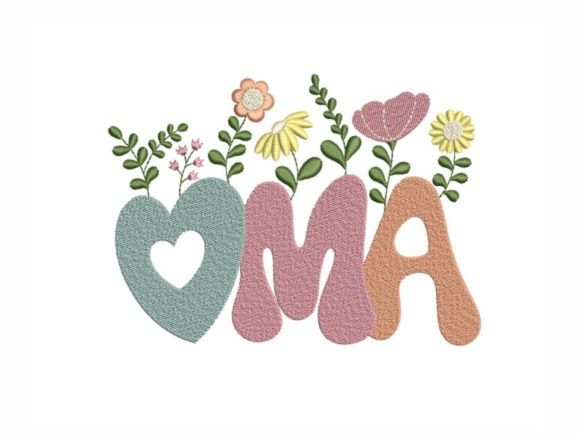
The name "Oma" suggests warmth, heritage, and comfort—qualities that resonate deeply in the current handmade market. Upon reviewing the preview images, the design immediately strikes me as having a distinct personality. It avoids the generic clip-art look that plagues many budget-friendly embroidery files. Instead, it offers a touch of whimsy and charm that feels both nostalgic and modern.
For designers looking to create emotional connections with their buyers, this is crucial. Whether you are crafting a gift for a grandmother or a decorative piece for a nursery, the visual mood of Oma translates well across various mediums. It possesses a softness in its lines that promises a gentle finish, making it suitable for delicate fabrics as well as sturdy home decor items. The artistic direction suggests it is not just a logo or a simple text element, but a complete decorative motif that can stand alone or complement other elements in a larger composition.
Real-World Application and Project Versatility
In my workflow, versatility is key. A design must work equally well on a high-end tote bag as it does on a mass-produced kitchen towel. Here is how Oma fits into common project categories:
- Home Decor and Textiles: The description notes that this design embellishes pillows and home decor beautifully. I envision this working exceptionally well on linen pillow covers or cotton throw blankets. The whimsical nature adds a focal point without overwhelming the texture of the fabric.
- Kitchen and Bath Linens: Towels are a staple in the handmade gift market. Oma’s charm makes it an ideal candidate for monogrammed hand towels or bath mats. The design likely holds up well against the frequent washing these items endure, provided the stitch density is appropriate.
- Apparel and Accessories: For custom apparel, such as sweatshirts or denim jackets, the design offers a statement piece. On smaller accessories like caps or embroidered patches, the details need to be legible. If the design includes fine lines, testing on curved surfaces like caps is essential to ensure the whimsy doesn’t get lost in the curvature.
- Baby Items: Given the gentle aesthetic, this file is a strong contender for baby blankets, burp cloths, or nursery wall art. Parents often seek designs that evoke safety and love, and the "Oma" theme naturally aligns with these sentiments.
Commercial Potential and Etsy Listings
For Etsy sellers and creative entrepreneurs, the presentation of the finished product is as important as the stitching itself. Oma lends itself well to product photography because of its inherent charm. When styled correctly, perhaps on a rustic wooden table with fresh flowers or draped over a cozy chair, the design enhances the perceived value of the item. It transforms a basic commodity into a personalized gift, which is a significant driver for sales during peak seasons like Mother’s Day.
Furthermore, using this design allows for diverse marketing angles. You can market it as a sentimental gift for grandmothers, a charming addition to a farmhouse-style kitchen, or a unique touch for a boutique clothing line. The flexibility of the design supports multiple branding strategies, helping you maintain consistency while offering varied products.
Technical Considerations and Stitch Quality
Visual appeal means little if the embroidery does not stitch out cleanly. As a professional, I always scrutinize the technical aspects of an embroidery file before recommending it. While specific stitch counts and file formats should be verified on the Creative Fabrica product page, here are the general areas to watch when digitizing or using Oma:
- Stitch Density: Check the balance between satin stitches and fill stitches. A design that is too dense may pucker thin fabrics, while one that is too sparse may lack definition. Look for smooth transitions in the digitization to ensure the whimsical curves render sharply.
- Hoop Size Constraints: Ensure the design fits your standard hoop sizes. If you plan to use this on large items like duvet covers or wide tote bags, verify that the dimensions allow for proper placement without awkward trimming.
- Thread Color Contrast: The effectiveness of any embroidery design relies heavily on thread selection. Test Oma on both light and dark fabrics to ensure contrast. On dark fabrics, you may need a heavier underlay or specific thread weights to make the details pop.
- Small Details: Inspect any tiny lettering or intricate patterns after stitching. Fine details can sometimes get lost if the stabilizer is not chosen correctly or if the tension is off. Always inspect small details after stitching to confirm clarity.
Material and Stabilizer Advice
To achieve the best results, especially on stretchy fabrics like sweatshirt material or knit caps, using the proper stabilizer is non-negotiable. A cut-away stabilizer is often recommended for permanent garments to prevent distortion over time. For woven items like aprons or kitchen towels, a tear-away stabilizer might suffice, but test first. If you are working with textured fabrics, consider using a top stabilizer to help the needle penetrate smoothly and maintain consistent stitch length.
Value, Trust, and Brand Consistency
Using high-quality design assets like Oma directly impacts buyer trust. Customers can often tell the difference between a poorly digitized file and a professionally crafted one. Clean edges, balanced tension, and thoughtful design choices signal professionalism. When you deliver a finished product that looks polished, you build brand consistency and encourage repeat business.
Moreover, the "whimsy and charm" of Oma adds an emotional layer to the handmade product. In a market crowded with mass-produced goods, the personal touch of embroidery stands out. By selecting designs that evoke positive emotions, you enhance the giftability of your items. A customer buying a tote bag with Oma embroidered on it isn’t just buying a bag; they are buying a sentiment. This perception increases the perceived value, allowing you to price your handmade products more competitively.
Final Thoughts for Creators
Oma appears to be a versatile and aesthetically pleasing addition to any embroidery library. Its ability to adapt to various projects—from intimate baby gifts to bold home decor pieces—makes it a practical choice for designers and small business owners alike. However, success lies in the execution. Always test on scrap fabric, check thread color contrast, and review stitch density before committing to a final product.
Remember to confirm file details and licensing on the Creative Fabrica product page before selling finished items. By combining this charming design with careful craftsmanship and thoughtful presentation, you can create memorable handmade products that resonate with customers. Whether you are preparing for Mother’s Day or expanding your year-round inventory, Oma offers a reliable foundation for creating beautiful, wearable art.